Tree care · Reno · Sparks · Truckee Meadows
Tree Care in
Reno & Sparks
Tree care in Reno and Sparks starts with the right diagnosis. Explore local tree concerns with Battle Born Pest Control and the guidance of an ISA Certified Arborist.
Request a Tree AssessmentCall 775-345-5327Your Reno tree care team
Local knowledge.
A plan for your tree.
A thinning canopy, chewed leaves or a declining branch can leave you wondering where to start. Matt leads Battle Born’s Reno operation and brings his experience as an ISA Certified Arborist to those questions.
We assess tree health, investigate insect and disease concerns, and discuss appropriate care, pruning or removal when needed. You receive an explanation of what we find and the proposed work before service begins.
Call for a Free Estimate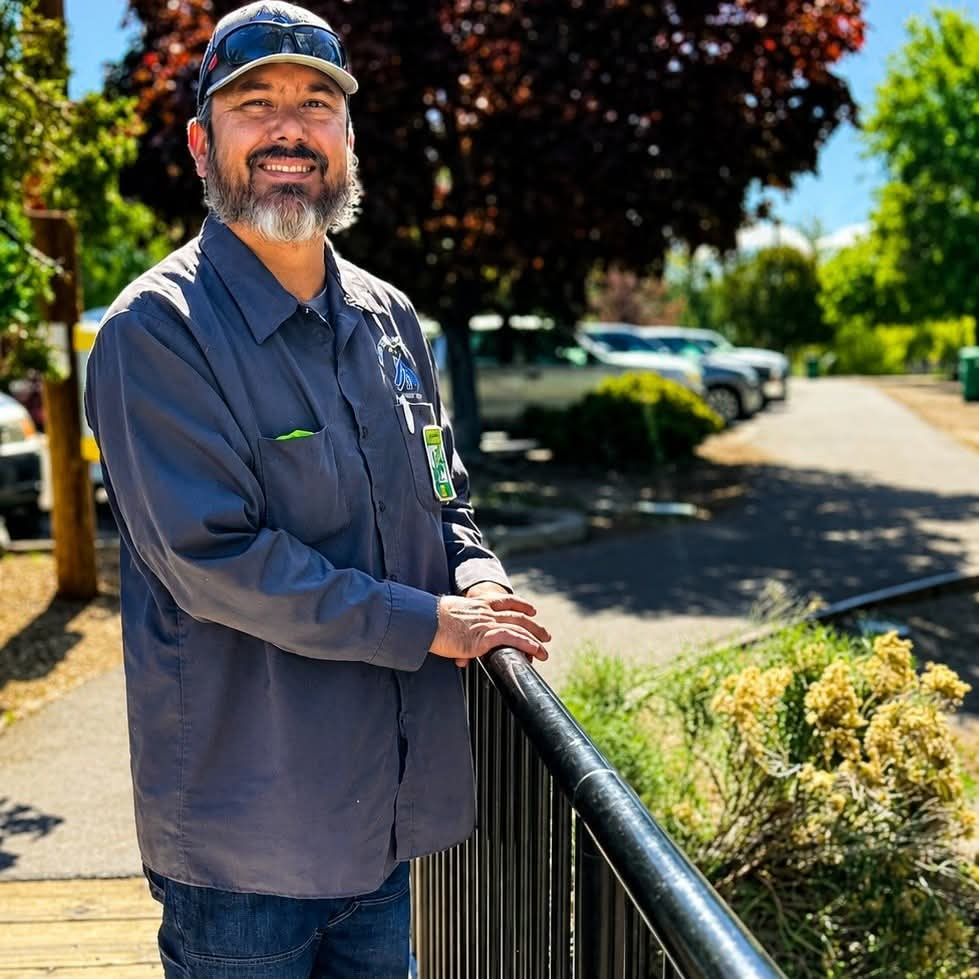
Know the tree. Understand the concern.
12 trees to know in Northern Nevada
This guide covers landscape trees and tree groups relevant to the Reno area. It is a starting point for understanding an existing tree, rather than a ranking or a planting recommendation for every property.
A local guide, with sources you can follow. Technical information below draws on UNR Extension and Nevada Division of Forestry publications. Open each profile for more detail and a direct source link. Photos are species references; varieties and individual trees may look different.

TREE 01 · Elm leaf beetles
Siberian elm
Ulmus pumila
Northern Nevada’s Siberian elms are a documented host of elm leaf beetles. Brown, lace-like leaves deserve a closer look.
Signs to watch & how we assess
Larvae feed between leaf veins; adults chew holes. Repeated defoliation can weaken an elm, particularly when other stresses are present. We assess active feeding, canopy condition and the need for management before choosing treatment. An old damaged leaf alone does not tell us whether insects are still feeding.
Learn more from UNR Extension ↗
TREE 02 · Sticky leaves & bark injury
Green ash
Fraxinus pennsylvanica
Sticky foliage can point to aphids or soft scales. The insect and its life stage need to be identified before treatment.
Signs to watch & how we assess
Check new growth and leaf undersides for sap-feeding insects. UNR’s Northern Nevada diagnostic guide also illustrates southwest sunscald on green ash. A damaged trunk calls for an assessment of the bark and site conditions, rather than an automatic insect treatment.
Learn more from UNR Extension ↗UNR: bark and environmental stress ↗
TREE 03 · Distorted new leaflets
Honeylocust
Gleditsia triacanthos
Pod-like, swollen leaflets may be honeylocust podgall midge damage. Do not assume every curled leaf contains a leafroller.
Signs to watch & how we assess
UNR describes podgall midge injury on new growth, with twig dieback possible in heavy infestations. We inspect fresh leaflets and their contents. Honeylocust also has low boron tolerance in UNR’s Northern Nevada guide; a soil-related problem needs a different plan.
Learn more from UNR Extension ↗UNR: Northern Nevada soil tolerance ↗
TREE 04 · Scorch, yellowing & cankers
Silver maple
Acer saccharinum
Leaf-edge browning can have more than one cause. Water supply, drainage and root conditions belong in the assessment.
Signs to watch & how we assess
UNR’s plant-disease resources describe bleeding canker first noticed on mature silver maples in Reno. Oozing or discolored bark merits a closer examination. We document the affected area and progression, and discuss whether further diagnosis is needed before treatment.
Learn more from UNR Extension ↗
TREE 05 · White satin moth caterpillars
Quaking aspen
Populus tremuloides
Aspens are hosts of white satin moth, an insect documented in Northern Nevada by UNR and Nevada Forestry.
Signs to watch & how we assess
Caterpillars can remove substantial foliage. Repeated defoliation combined with drought can weaken trees. We check for live larvae and how much canopy is affected, then discuss monitoring, tree care and treatment when warranted. The caterpillar stage matters when choosing control.
Read the UNR / Nevada Forestry fact sheet ↗
TREE 06 · Defoliation & site stress
Fremont cottonwood
Populus fremontii
Cottonwoods also belong to the host group affected by white satin moth. Compare fresh feeding with older, inactive damage.
Signs to watch & how we assess
The local white satin moth fact sheet recommends protecting tree vigor and evaluating infestation severity. We inspect foliage and consider the tree’s condition before recommending a response. UNR’s Northern Nevada soil guide lists western cottonwood as relatively boron tolerant, but that does not make every declining cottonwood an insect problem.
Read the UNR / Nevada Forestry fact sheet ↗UNR: Northern Nevada soil tolerance ↗
TREE 07 · Fire blight & damaged shoots
Flowering crabapple
Malus hybrids
Brown, wilted shoot tips and affected blossoms warrant an inspection for fire blight, a bacterial disease of apples and related plants.
Signs to watch & how we assess
Fire blight may progress into woody tissue. We examine the pattern of injury and discuss sanitation, pruning and disease management appropriate to the diagnosis. Cultivar and site history help guide the assessment.
Learn more from UNR Extension ↗
TREE 08 · Blackened, hooked shoot tips
Ornamental pear
Pyrus calleryana cultivars
UNR identifies ornamental pear as a familiar Northern Nevada landscape tree. Watch for sudden shoot wilt and darkened leaves.
Signs to watch & how we assess
Fire blight can produce hooked shoot tips and blackened pear leaves. Bacteria may spread through splashing water and contaminated pruning tools. We assess affected wood and the extent of injury before recommending management. A treatment plan should address the disease and the conditions that favor it.
Learn more from UNR Extension ↗UNR: ornamental pears in Northern Nevada ↗
TREE 09 · Chewed leaves & declining branches
Flowering plum
Prunus cerasifera
Silk-bound leaves and fresh chewing deserve an insect inspection. Branch decline requires checking more than the canopy.
Signs to watch & how we assess
We examine the leaves, trunk and root area and ask when the symptoms began. UNR lists purpleleaf plum among trees with relatively high boron tolerance for Northern Nevada. That is useful context for site selection, not proof that a particular tree is free of soil or irrigation problems.
Learn more from UNR Extension ↗
TREE 10 · Browning needles & bark beetles
Pines
Austrian pine shown • Pinus nigra
Pine species matters. Nevada Forestry identifies different bark beetles with different hosts, including Jeffrey and ponderosa pines.
Signs to watch & how we assess
We look at the pattern of needle discoloration and inspect for boring evidence. Drought can make trees more vulnerable to bark beetles. UNR also notes that Northern Nevada pine needle-blight symptoms can have multiple causes. Browning alone does not establish a beetle or fungal diagnosis.
Learn more from Nevada Forestry ↗UNR: plant disease resources ↗
TREE 11 · Water stress & spider mites
Colorado blue spruce
Picea pungens
UNR documents blue spruce becoming more susceptible to spider mites when stressed by reflected heat and inadequate moisture.
Signs to watch & how we assess
We assess irrigation, nearby heat-reflecting surfaces and active mite evidence. Product selection matters: horticultural oils can affect the blue waxy coating on some evergreens, and spruce may be sensitive. The goal is to address both the confirmed pest and the conditions stressing the tree.
Learn more from UNR Extension ↗UNR: horticultural oils and sensitive plants ↗
TREE 12 · Crown thinning & bronze birch borer
European white birch
Betula pendula
Thinning at the top of a birch and D-shaped exit holes are signs that merit a borer inspection.
Signs to watch & how we assess
UNR’s pest guide describes bronze birch borer injury beneath the bark. Early assessment matters; a severely affected tree may not be recoverable. We also review irrigation because UNR identifies birch as a high-water-use tree in Northern Nevada landscapes.
Learn more from UNR Extension ↗UNR: watering trees in Northern Nevada ↗See the pest. Recognize the damage.
Tree insects & mites to watch for
Tap or click a photo to flip the card. Each back explains the signs, damage and what guides management.
Silk around tender spring growth? Check for leafrollers. These caterpillars fold or tie leaves together with silk and feed in sheltered growth. Several insects make silk, so inspect the caterpillar and the damaged plant before deciding what is responsible.
UNR pest guide: leafrollers, printed pages 94–95 ↗The photos show representative pests and life stages. An identification should consider the host tree and the actual damage, as well as the insect’s appearance.
Look beyond the leaf
Disease, insects—or the growing conditions?
UNR’s Northern Nevada diagnostic guidance emphasizes considering the whole plant and its surroundings. Similar symptoms can come from different causes. Our assessment starts with that distinction.

Fire blight
This is a bacterial disease, especially relevant to apples and pears. Sudden wilt, scorched-looking tips and hooked shoots call for inspection. Infection can move into branches and trunks. Excessive tender growth and splashing water can favor the problem.
How we help: assess the extent of injury and discuss a disease-management plan. Treatment decisions depend on the tree’s condition and the stage of the disease.
Learn more from UNR Extension ↗
Water, roots & reflected heat
Leaf scorch may result from either too little water or poorly aerated, overly wet roots. Compaction, confined roots and reflected heat also deserve attention. More irrigation is not automatically the answer.
How we help: examine the root area and watering setup, then explain practical adjustments supported by the findings.
UNR: common plant problems in Northern Nevada ↗
Soil chemistry & nutrient availability
Northern Nevada sites can present boron and salt challenges. Trees differ in tolerance: UNR lists birch and silver maple as sensitive to both. Soil and water testing can help clarify whether these conditions are involved.
How we help: discuss testing where appropriate and use the results to guide recommendations instead of guessing from leaf color.
UNR: boron and salt tolerance in Northern Nevada ↗
Cankers, borers & declining branches
Oozing bark, holes, sawdust-like material and dead sections of canopy are clues to investigate. They do not all point to the same pest or disease.
How we help: inspect the affected tissues, document the pattern and explain whether monitoring, additional diagnosis, pruning or another action makes sense.
UNR: are you sure you have a pest problem? ↗Care with a clear purpose
Your tree care assessment in Reno & Sparks
1. What is happening?
We ask when the symptoms appeared, identify the tree, inspect the affected areas and review the surroundings. Photos of the whole tree and close-ups of leaves or bark help tell the story.
2. What can help?
We discuss the goal of any proposed work: managing an active pest, reducing further damage, improving growing conditions or addressing affected branches. We explain the limits as well as the options.
3. What happens next?
You receive the proposed scope and timing. We explain what to watch for afterward and when another assessment or follow-up may be appropriate.
Timing matters more than a generic spray schedule. Horticultural oils, for example, require direct contact and suitable conditions. Tree sensitivity, temperature and drought stress can affect their suitability. We select a treatment only after identifying the target and checking the product’s labeled use.
UNR: how horticultural oils work ↗Questions from property owners
Reno tree care questions
Does every insect need treatment?
No. Beneficial insects can keep some pest populations in check. UNR’s aphid guidance describes using water and protecting natural enemies before turning to insecticides. We consider activity and damage before recommending a response.
UNR: know Nevada insects—aphids ↗Can you identify the problem from a photo?
Photos are useful for an initial conversation. Include the full tree, its base, the surrounding landscape and close-ups of the damage. An on-site assessment may still be needed to distinguish between similar symptoms.
Will treatment repair leaves that are already damaged?
Our recommendations include a specific goal and what improvement to look for. We will discuss whether the work is intended to manage an active problem, protect future growth or improve the conditions around the tree. We do not promise that every declining tree can be saved.
How should I water an established tree?
The watering area needs to expand as the tree grows. UNR’s tree-irrigation guide explains root-zone coverage and why tree watering differs from lawn watering. Its Northern Nevada tables are based on peak summer demand; those amounts are not an all-season schedule.
UNR: watering trees in hot, dry home landscapes ↗Do you offer tree care outside Reno and Sparks?
Send our Reno team the property address and a description of the concern. We will confirm service availability and whether the proposed work fits our capabilities.
Let’s take a closer look
Concerned about a tree on your property?
Tell us what you have noticed. We will help you determine the next step.
Request a Tree AssessmentExplore the local references
These educational resources support the guide. Linking to a publication does not imply that UNR or Nevada Forestry endorses Battle Born Pest Control.
Photo credits & licenses
Reference photographs may have been taken outside Nevada; they are not presented as Battle Born jobs. Images are displayed at reduced size. Disease and stress panel photos are cropped to fit their frames. Each original and its license are linked below.
- Ulmus pumila.jpg — Bruce Marlin; CC BY-SA 3.0.
- Fraxinus pennsylvanica tree.jpg — Steven Katovich, USDA Forest Service; CC BY 3.0 US.
- Gleditsia triacanthos tree.jpg — Bostonian13; CC BY-SA 3.0.
- Acer saccharinum tree.jpg — D. E. Herman et al., USDA–NRCS; public domain.
- Populus tremuloides 1.jpg — Stan Shebs; CC BY-SA 3.0.
- Populus fremontii 50D 4691.jpg — SAplants; CC BY-SA 4.0.
- Malus (51095767065).jpg — Mark AC Photos; CC BY-SA 2.0.
- Pyrus calleryana tree.jpg — Alpsdake; CC BY-SA 3.0.
- Prunus cerasifera.jpg — Bidgee; CC BY-SA 3.0.
- Pinus nigra trees.jpg — Thierry PERNOT; CC BY-SA 2.0 FR.
- Picea pungens tree.jpg — USDA–NRCS / D. E. Herman et al.; public domain.
- Betula pendula tree.jpg — -col-; CC BY-SA 2.0.
- Archips argyrospila larva.jpg — USDA Forest Service, Region 8 Southern Archive; public domain.
- Xanthogaleruca luteola.jpg — Keezhpattillam Viswajyothi and Shwan M. Clark; CC BY 4.0.
- Sa aphid colony highres.jpg — Sanjay ach; CC BY-SA 3.0.
- Tetranychus-urticae.jpg — J. Holopainen; CC BY-SA 4.0.
- 2021 04 17 Parthenolecanium corni.jpg — Slimguy; CC BY 4.0.
- Leucoma salicis larva beentree.jpg — Beentree; CC BY-SA 3.0.
- Fire blight on pear — Ninjatacoshell; CC BY-SA 3.0. Display-cropped.
- Drought-stressed red maple foliage — Famartin; CC BY-SA 4.0. Display-cropped.
- Chlorosis on black locust — Moinats; CC BY-SA 4.0. Display-cropped.
- Bark beetle galleries on Scots pine — Roger Griffith (Rosser1954); public domain. Display-cropped.