Elko, Nevada
Ant Control
Targeted ant control in Elko for homes and businesses, from indoor trails to outdoor colonies.
We identify ant activity, locate nests and entry points, and choose a treatment approach suited to your property.
Ant Prevention
Ant Control Starts Beyond the Trail
Ants on your counter or along your foundation are often only the visible part of a larger colony. Battle Born Pest Control provides ant control in Elko, Spring Creek, and surrounding northeastern Nevada communities. We inspect the activity, identify the type of ant, and look for nesting areas, entry points, and the food or moisture drawing them to your property.
Different ants need different approaches. Pavement ants nesting beneath concrete, harvester ants in the yard, and carpenter ants associated with wood each present different concerns. Our recommendations may include targeted baiting, treatment of nesting or entry areas, and practical prevention steps. We explain what we find and what to expect as treatment takes effect.
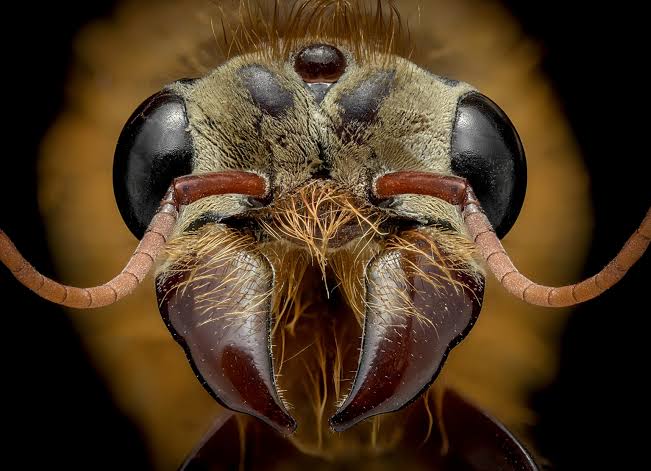
Common Ants in Northeastern Nevada
Ants may look similar, but their nesting habits and the problems they cause can be very different. Here are four types to watch for around your property.
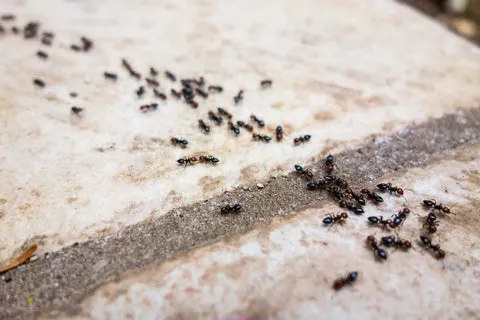
Pavement Ants
These small, dark ants often nest beneath concrete and along pavement edges. They may enter buildings while searching for food and moisture.
Common Signs
Trails of small ants near food, activity along concrete cracks, and soil pushed out near nest entrances.
Where to Look
Sidewalks, driveways, patios, foundations, and indoor areas where food or moisture is available.
Their name comes from their habit of nesting around pavement. The ants you see indoors may be foraging from a colony outside.
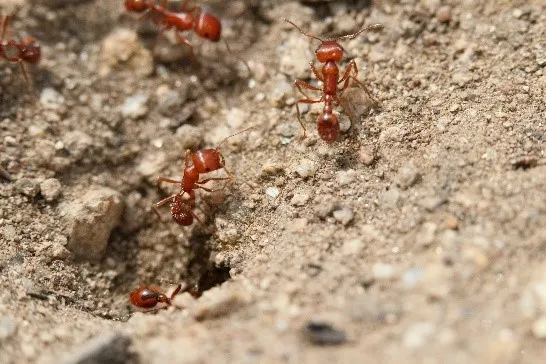
Harvester Ants
Harvester ants are primarily outdoor seed collectors. Their colonies can create noticeable bare patches around nest entrances, and they can sting when disturbed.
Common Signs
Circular areas of cleared vegetation, small piles of soil or pebbles, and ants carrying seeds toward a nest.
Where to Look
Open soil, yards, gardens, and outdoor areas around your property. Avoid disturbing active nests.
Harvester ants help disperse seeds and move soil. A colony away from people and pets may not need control; its location matters.
Carpenter Ants
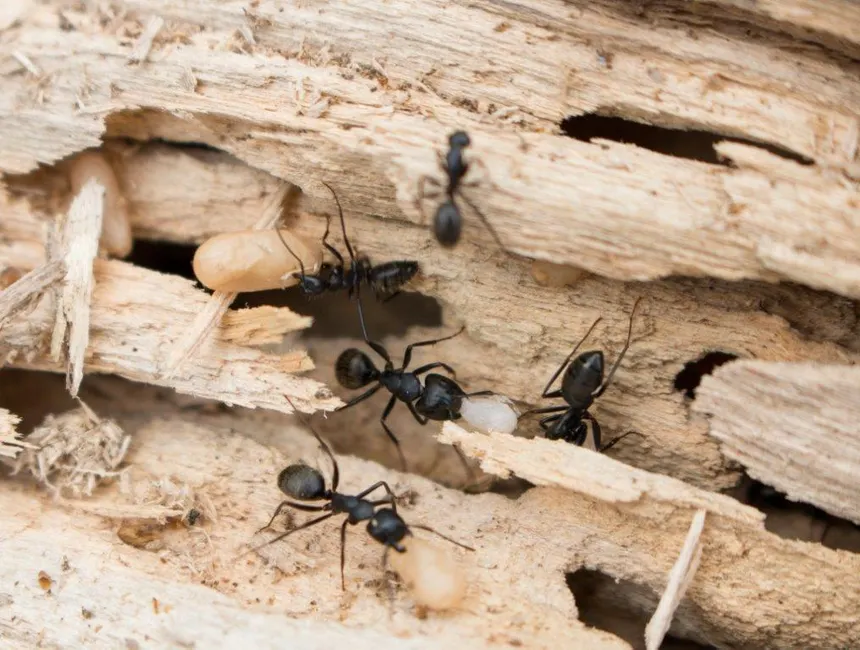
Among the larger ants found in Nevada, carpenter ants excavate wood to create nesting spaces. Activity associated with damp or damaged structural wood deserves a closer inspection.
Common Signs
Large ants, activity around wood, and sawdust-like debris near nesting areas. Foraging is often more noticeable around dusk.
Where to Look
Decaying wood, stumps, and damp or water-damaged wood around buildings. Foraging ants may travel well beyond their nest.
Carpenter ants do not eat wood like termites do. They chew through it to make room for their nests.
Odorous House Ants
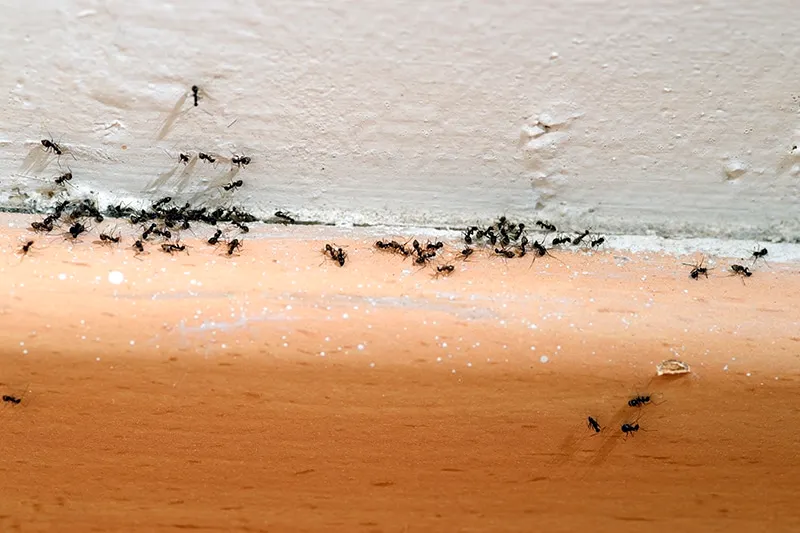
These small, dark ants are sometimes called sugar ants. They follow trails to food and moisture and may nest outdoors or in sheltered spaces inside a building.
Common Signs
Persistent ant trails around food and moisture, with activity returning as workers continue foraging.
Where to Look
Kitchens, damp areas, mulch beds, beneath rocks, and sheltered spaces near warm, moist wood.
Their name refers to the strong odor released when crushed, often compared to rotten coconut. Colonies can also have multiple queens and connected nests.
Not sure which ants you’re seeing? Identification helps us choose the right approach. Contact Battle Born Pest Control to discuss ant activity around your home or business.
Our Approach
Our Ant Control Plan

Nest Inspection
We look for ant activity around your property and identify the location of the nest. We also consider its proximity to doors, walkways, play areas, and other places where people or pets may encounter it.

Targeted Control
Once we’ve assessed the situation, we use a treatment approach suited to the insect and nest location. Our goal is to address the active nest while taking care around your home or business.

Prevention Guidance
We’ll point out areas around your property where ants may build nests and share practical recommendations to help reduce future activity. Regular monitoring can help catch new nests before they grow.